7 Water Purification Tablets and Portable Filter Systems Evaluated
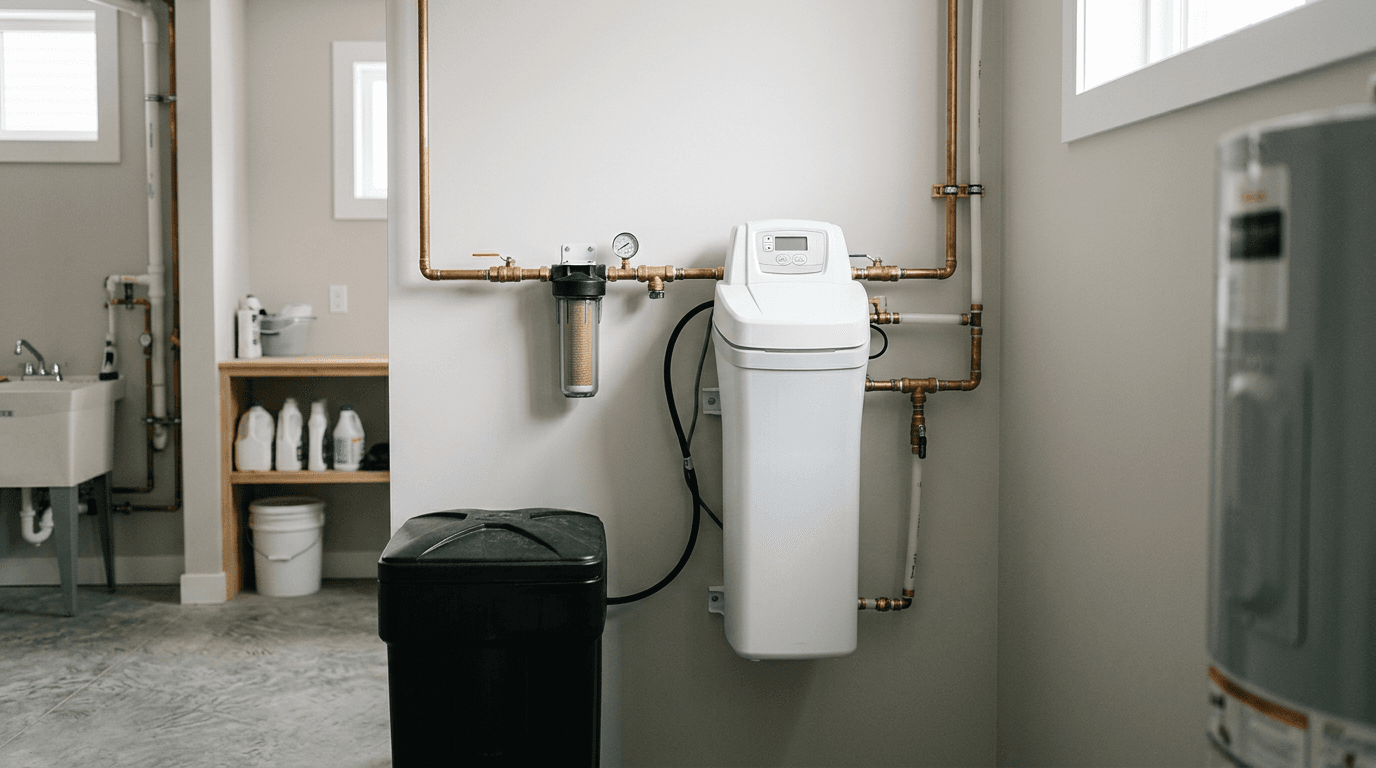
When a severe municipal pipe break leaves a neighbourhood under a sudden boil water advisory, or a backcountry trail forces you to pull drinking water from a stagnant creek, knowing the biological limits of your treatment method determines whether you stay healthy. Relying on a decade-old pump to remove agricultural runoff, or assuming chemical water purification tablets instantly neutralize every type of microscopic threat, ignores how these technologies actually disrupt cellular walls and bind to heavy metals. Selecting the right portable tool means understanding exactly what it was engineered to remove, and recognizing where it inevitably fails.
Quick Summary
Securing safe drinking water during infrastructure failures or off-grid travel requires matching the treatment technology to the specific biological, chemical, or particulate threat in the water source. Every portable water filter system forces a compromise between processing speed, physical effort, and the breadth of contaminants removed.
- Chemical treatments neutralize viruses efficiently but struggle against hard-shelled protozoa in cold environments.
- Membrane filters physically trap bacteria and cysts immediately but allow dissolved chemicals and viruses to pass through.
- Portable reverse osmosis provides absolute filtration against dissolved minerals but requires exhausting physical pressure.
- Gravity systems correct taste and odour but lack the mobility required for active travel.
- Permanent home installations eliminate the throughput and pressure limitations that govern all portable equipment.
Table of Contents
- Judging Criteria: Pathogen Size Versus Chemical Load
- Summary of Portable Treatment Methods
- 1. Iodine and Chlorine Water Purification Tablets
- 2. Chlorine Dioxide Treatment Drops
- 3. Hollow Fiber Membrane Filters
- 4. Pump-Action Ceramic Microfilters
- 5. UV-C Light Purifier Pens
- 6. Hand-Pumped Desalinators and Membrane Units
- 7. Gravity-Fed Carbon Canister Systems
- Matching the Treatment to the Threat
- FAQ
- Recommended Reads
Judging Criteria: Pathogen Size Versus Chemical Load
Comparing emergency water systems requires looking at two distinct mechanisms: physical exclusion and biological deactivation. Physical exclusion relies on microscopic pores - measured in microns - to trap contaminants. A filter with 0.2-micron pores will stop bacteria (typically 0.5 to 5.0 microns) and protozoan cysts like Giardia (5 to 15 microns). However, viruses are entirely different, often measuring between 0.02 and 0.1 microns, allowing them to slip through standard mechanical barriers undetected.
Because physical filters cannot reliably trap viruses, biological deactivation methods like chemicals or ultraviolet light are required. These do not remove the pathogen; they destroy its cell wall or scramble its DNA so it cannot reproduce inside a host. Any reliable evaluation of an emergency system must test its ability to address both the physical size of the local contaminants and the chemical resistance of the specific pathogens present.
Summary of Portable Treatment Methods
| Technology Type | Primary Mechanism | Best For | Crucial Vulnerability |
|---|---|---|---|
| Halogen Tablets | Chemical oxidation | Clear water virus protection | Cryptosporidium resistance |
| Chlorine Dioxide | Oxygen-based disruption | Broad-spectrum pathogen removal | Extremely slow in cold water |
| Hollow Fiber | Microscopic physical sieving | Fast flow from clear streams | Destroyed by invisible freezing |
| Ceramic Pump | Depth filtration matrix | High-sediment, muddy water | Heavy weight and mechanical fatigue |
| UV-C Pen | DNA replication disruption | Urban travel and tap water | Suspended solids blocking light |
| Portable RO | High-pressure molecular rejection | Heavy metal and salt removal | Minute output for massive effort |
| Gravity Carbon | Chemical adsorption | Countertop home backup | Cannot handle high sediment loads |
1. Iodine and Chlorine Water Purification Tablets
Halogen-based chemical treatments are the oldest standard in lightweight emergency preparedness, designed for kits where space and weight are strictly limited. They are primarily utilized by individuals building emergency go-bags or those travelling through regions with suspect municipal water infrastructure.
These halogens act as aggressive oxidizing agents. When dropped into a container, the chemicals dissolve and penetrate the cell walls of microorganisms, reacting heavily with vital enzymes and proteins. This process disrupts the cellular metabolism of bacteria and viruses, effectively neutralizing them. The process depends entirely on contact time and concentration; standard protocols require a minimum of 30 minutes in warm, clear water to achieve a safe reduction of pathogens.
Inexpensive virus protection that fails against hard-shelled cysts
Halogen treatments have a severe vulnerability when facing Cryptosporidium. This specific protozoan possesses a thick, hard outer shell known as an oocyst, which is highly resistant to standard iodine and chlorine concentrations. The chemical simply cannot penetrate the shell fast enough to deactivate the pathogen within a practical timeframe. Furthermore, the chemical reactions slow down drastically in cold water due to the Q10 temperature coefficient, meaning treatment times must double or triple when drawing from snowmelt. Anyone facing agricultural runoff or mountain streams known for protozoa should skip standard halogens entirely, as the resulting water will taste heavily of chemicals while remaining fundamentally unsafe.
2. Chlorine Dioxide Treatment Drops
Chlorine dioxide represents the modern chemical upgrade over basic iodine, engineered for users who require comprehensive biological protection without carrying heavy mechanical pumps. It is frequently issued to military personnel and relied upon by expedition groups operating in remote environments.
Despite the name, chlorine dioxide is an oxygen-based oxidizer rather than a standard chlorinating agent. It works by violently stealing electrons from the cell walls of pathogens, causing the cell structures to breach and collapse. Because it does not rely on halogenation, it does not bind with organic matter in the water to create the harsh chemical taste associated with standard iodine. The treatment often involves mixing two distinct liquid components - a sodium chlorite solution and an acid activator - to generate the active chlorine dioxide compound before adding it to the drinking vessel.
True broad-spectrum elimination with a severe time penalty
Unlike traditional halogens, chlorine dioxide is capable of penetrating the hard outer shell of Cryptosporidium, making it biologically comprehensive. However, this capability extracts a massive penalty in time. While it destroys bacteria and viruses in 15 to 30 minutes, breaching a protozoan cyst in near-freezing water requires up to four hours of continuous contact time. If you are actively moving and need hydration immediately, this delay is unworkable.
Practical rule: Never judge a chemical treatment's speed by its bacteria rating; always calculate your waiting time based on the coldest water temperature and the most resistant pathogen in the area.
3. Hollow Fiber Membrane Filters
Hollow fiber technology is the current standard for an active hiking water filter, built for users who demand immediate access to drinking water from visually clear streams or lakes. These systems are commonly integrated into soft squeeze pouches, gravity bags, or direct-suction straws.

The core of the filter consists of hundreds of microscopic, U-shaped tubes bundled together. The walls of these tubes feature pores engineered to an absolute size, typically 0.1 microns. When water is squeezed or sucked into the system, it must pass through the walls of these micro-tubes to reach the exit nozzle. Bacteria and protozoa, which are significantly larger than 0.1 microns, are physically trapped on the outside of the fiber walls, while the clean water flows through the hollow centre.
Immediate physical barriers that ignore chemical threats
The speed and convenience of hollow fiber come at the cost of chemical vulnerability. Because this is strictly a mechanical sieve, anything smaller than 0.1 microns passes through unimpeded. This includes viruses, agricultural pesticides, heavy metals, and industrial runoff. Furthermore, the system carries a catastrophic hidden failure mode: frost damage. If water left inside the microscopic tubes freezes, the expanding ice will tear the delicate fiber walls. The filter will continue to flow normally when thawed, but it will no longer block pathogens, offering zero visible indication that the system is broken. Anyone travelling in sub-zero temperatures must keep the filter against their body at all times, or abandon hollow fiber entirely.
4. Pump-Action Ceramic Microfilters
Ceramic pump systems are robust, mechanical workhorses designed for processing turbid, muddy water that would instantly choke a hollow fiber setup. They are the preferred portable water filter system for overland vehicles and basecamps operating near shallow, silty water sources.
Instead of thin fibers, these units use a thick cartridge made of porous, fired ceramic. Water is forced through the complex, tortuous path of the ceramic depth matrix under high pressure from a manual hand pump. The microscopic maze physically blocks sediment and pathogens. Because the ceramic is thick and dense, the outer layer can be safely scrubbed with an abrasive pad when it clogs with mud, exposing a fresh, clean layer of ceramic underneath. Many cores are also impregnated with silver ions to prevent bacteria from breeding inside the damp housing between uses.
Field-maintainable throughput that requires exhausting manual labour
The ability to scrub a ceramic filter clean makes it dominant in muddy environments, but the physical toll of operating it is severe. Pumping dense water through a microscopic ceramic wall requires immense repetitive strain. As the filter clogs, the internal pressure spikes. If a user forces the pump handle against a clogged core, the internal rubber O-rings can blow out, allowing raw, untreated water to bypass the ceramic matrix entirely. These units are heavy, rely on moving parts that require constant lubrication, and still fail to stop viruses. If your water source is generally clear, the weight and mechanical complexity of a ceramic pump are unnecessary burdens.
5. UV-C Light Purifier Pens
Ultraviolet light pens are electronic purification tools designed for international travel, hotel rooms, and urban emergencies where the water is visually clear but biologically suspect. They are strictly designed for neutralizing microorganisms, offering no physical filtration.
The device is submerged in a standardized volume of water - typically one litre - and activated to emit ultraviolet light at a specific 254-nanometre wavelength. This highly concentrated UV-C light penetrates the cell walls of bacteria, viruses, and protozoa, directly striking their nucleic acids. The energy forces adjacent thymine bases in the pathogen's DNA to bond together, creating thymine dimers. Once the DNA is structurally scrambled in this manner, the microorganism can no longer replicate. A pathogen that cannot replicate cannot cause an infection in the human body.
Rapid biological neutralization rendered useless by cloudy water
UV light provides incredibly fast, broad-spectrum protection that adds zero chemical taste to the water, but its effectiveness drops to zero if the water is cloudy. Suspended silt, mud, or dark tannins create a shadowing effect, providing physical shields that pathogens hide behind to avoid the ultraviolet radiation. If the light cannot strike the organism directly, it survives. Additionally, the technology is entirely reliant on batteries. A dead battery or a cracked quartz lamp turns the device into dead weight. Users pulling water from natural rivers or facing prolonged power grid failures should avoid relying exclusively on UV technology.
6. Hand-Pumped Desalinators and Membrane Units
Manual desalinators represent the extreme end of emergency preparation, engineered for marine life rafts and deep desert crossings where the water source contains lethal levels of dissolved salt or heavy metals.
These devices operate by utilizing a reverse osmosis system portable membrane. In natural osmosis, water moves from an area of low solute concentration to high concentration. A hand-pumped desalinator forces the user to manually overpower this natural law. By violently cranking a high-leverage metal arm, the user generates over 40 PSI of internal pressure, squeezing the contaminated water against a semi-permeable membrane. The microscopic structure of the membrane allows water molecules to pass through while rejecting dissolved salts, heavy metals, and chemical compounds at the molecular level, flushing the concentrated waste out through a secondary valve.
The only defence against dissolved minerals and salt
While a portable reverse osmosis system is the only manual way to strip dissolved minerals from water, the output is punishingly low. A user might pump exhaustingly for an hour just to yield a single litre of clean water. It is strictly an emergency survival tool. Homeowners evaluating their permanent reverse osmosis system installation options for addressing daily municipal chloramines or heavy scaling will find portable variants entirely impractical. When understanding local water challenges in Beaumont or Edmonton, the sheer volume of water required for cooking and drinking demands the automated pressure of household plumbing, rendering manual membranes useless for daily life.
7. Gravity-Fed Carbon Canister Systems
Gravity-fed stainless steel or plastic canisters are high-volume, low-effort systems designed for basecamps, cabins, and residential emergency preparations. Often set up on a countertop, they act as a reliable water dispenser for home use during prolonged municipal infrastructure failures.

The system relies on dense, extruded blocks of activated carbon or granular activated carbon (GAC) beds. As water is poured into the upper chamber, gravity slowly pulls it down through the carbon matrix. The carbon works through adsorption: millions of microscopic pores create a massive surface area that generates strong Van der Waals forces, trapping volatile organic compounds (VOCs), chlorine, and industrial chemicals as they pass. Because gravity is doing the work, the contact time is extended, resulting in exceptional taste correction and chemical reduction.
Excellent volume and taste correction lacking mobility
Gravity carbon systems excel at stripping out chemical tastes and heavy metals, but they are entirely immobile and incredibly slow. They cannot be packed in a rapidly moving emergency kit, and they are highly vulnerable to channeling. If the user allows the carbon block to freeze, or if high-pressure water forces a path of least resistance through loose carbon granules, the chemical treatment fails completely. Furthermore, standard carbon blocks do not stop viruses unless specifically rated with specialized nanocoatings.
Practical rule: Never pour highly turbid, muddy water directly into a gravity carbon system without pre-filtering it through cloth; sediment will instantly blind the microscopic pores on the carbon block, halting the flow entirely.
Matching the Treatment to the Threat
Selecting the correct water treatment depends entirely on identifying the most critical bottleneck in your specific situation.
If you are moving rapidly through the backcountry and pulling from clear mountain streams, the immediate flow of a hollow fiber filter is the correct choice, provided you protect it from freezing. If you are building a static emergency kit for a cabin and prioritizing the removal of chemical tastes, a gravity-fed carbon canister is superior. When dealing with extreme environments involving salt or heavy agricultural runoff where physical energy is available, a manual membrane pump becomes the only viable survival tool.
However, portable tools are inherently designed for temporary crises. They trade volume and efficiency for mobility. Homeowners trying to manage Edmonton's exact municipal water profile or struggling with severe scaling from hard water will burn out portable systems rapidly. Relying on an emergency filter to manage daily household hydration ignores the root problem of untreated municipal lines. When evaluating residential water infrastructure in Leduc or managing residential water in Sherwood Park, moving from emergency filtration to permanent installations like the Triton Pure or Triton Pure Tankless packages removes the limits of manual pressure and tiny filter capacities, ensuring safe water without the daily physical effort.
FAQ
Can I combine a physical filter with water purification tablets? Yes. This is a standard and highly recommended practice in environments with high turbidity and suspected viral contamination. You first use a mechanical filter (like hollow fiber or ceramic) to remove sediment, bacteria, and hard-shelled cysts. You then treat the resulting clear water with chemical tablets to destroy the viruses the filter missed, significantly improving the chemical's effectiveness by removing the dirt that interferes with oxidation.
How long do chemical purification tablets last in storage? Unopened iodine and chlorine dioxide tablets typically have a shelf life of three to five years if stored in a cool, dark, and dry environment. Once a sealed bottle or foil pack is opened, exposure to ambient humidity and heat rapidly degrades the chemical structure. Opened iodine can lose its potency in a matter of months.
Will boiling water do the same thing as these portable systems? Boiling is a highly effective method of biological deactivation; a rolling boil for one minute (or three minutes at high elevations) will kill all bacteria, viruses, and cysts. However, boiling offers zero physical filtration. It will not remove mud, heavy metals, industrial chemicals, or salt, and it requires a massive expenditure of fuel, which is often limited in an emergency.
Why does my hollow fiber filter flow slower after a few days? Microscopic sediment and organic matter get wedged in the 0.1-micron pores of the fibers. To restore the flow rate, the system must be backwashed - forcing clean, treated water backward through the exit nozzle to dislodge the trapped debris. Failing to backwash regularly will permanently blind the membrane.