Top 3 Options for a Water Ionizer or Reverse Osmosis System in 2026
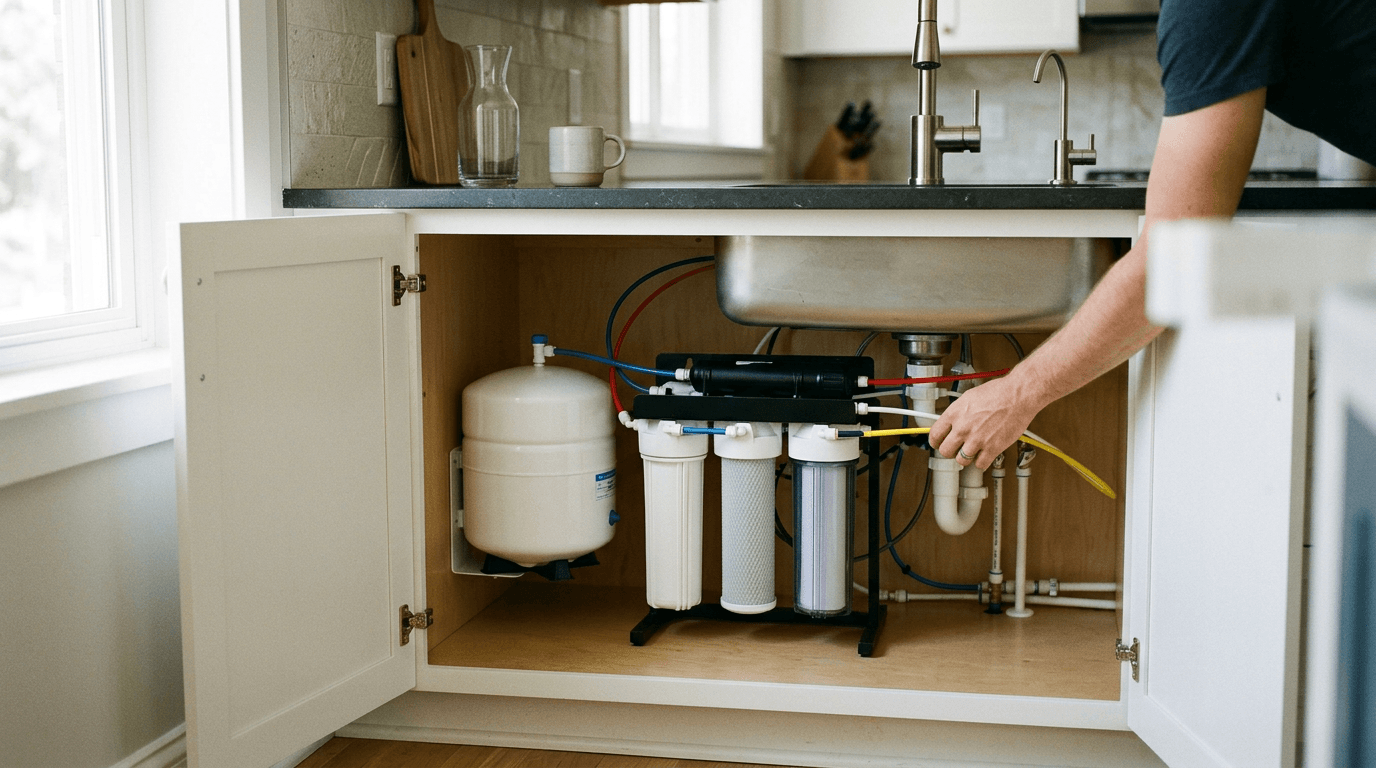
A common misconception when upgrading home drinking water is that a water ionizer and a traditional filtration system perform the same basic function. They do not. A standard filter pulls physical contaminants out of the water, whereas an ionizer actively alters the water's electrical charge and pH using electrolysis. Understanding the mechanical difference between these two approaches is the only way to determine what actually belongs under your sink.
Quick Summary
A water ionizer alters the pH and oxidation-reduction potential of drinking water through electrical plates, while reverse osmosis forces water through a semi-permeable membrane to strip out dissolved solids. Choosing between them depends on whether your goal is high-alkaline water or absolute purification.
- Ionizers require existing minerals in the water to conduct electricity.
- Reverse osmosis strips water to a baseline, removing both contaminants and natural minerals.
- High hard water areas like Edmonton often require softening before an ionizer can function without scaling.
- Combining a softener with a reverse osmosis unit provides comprehensive mineral management.
Table of Contents
- Buying Guide / How to Choose
- 1. AlkaViva Canada
- 2. Tyent Water Canada
- 3. Waterdrop Filter Canada
- Mapping Your Setup
- Recommended Reads
Comparison Table
| Product | Purification Methodology | Features | Pros | Cons | Target Audience |
|---|---|---|---|---|---|
| AlkaViva Canada (Vesta H2) | Alkaline Electrolysis | 9-plate platinum-coated titanium electrodes | High ORP potential, Reliable plate count, Dedicated alkaline output | Relies on source minerals, Vulnerable to scale, Moderate flow limit | Users with balanced source water seeking alkalinity |
| Tyent Water Canada (UCE-13 Plus) | Extreme pH Ionization | 13 solid-mesh hybrid plates, Motion sensor | Massive pH range, Touchless operation, Commercial-grade plates | Takes up significant space, Overkill for basic hydration, Requires stable power | Homeowners wanting maximum pH control and premium under-sink tech |
| Waterdrop Filter Canada (G3P800) | Tankless Reverse Osmosis | 800 gallons per day output | Strips all dissolved solids, High daily capacity, Space-saving design | Removes beneficial minerals, Requires membrane replacements, Produces wastewater | Households wanting absolute contaminant removal |
Buying Guide / How to Choose
The debate of water ionizer vs reverse osmosis comes down to what you actually want your system to do to the molecular structure of your tap water. We categorize the options on the market by their Purification Methodology. This is the mechanism that alters the fluid before it reaches your glass.
Alkaline Electrolysis
Systems in this category run tap water over electrically charged plates to separate acidic and alkaline streams. They do not remove dissolved solids; instead, they alter the oxidation-reduction potential (ORP) and raise the pH. This category requires water that already has a sufficient mineral footprint to conduct the charge.
Extreme pH Ionization
This category pushes the boundaries of standard electrolysis by using an unusually high number of plates (often 11 to 13). The increased surface area allows the machine to pull the pH to extreme ends of the spectrum, creating highly acidic water for cleaning or highly alkaline water for drinking.
Tankless Reverse Osmosis
This category Abandons the electrical charge entirely. Instead, it forces water through a membrane with pores so microscopic (0.0001 microns) that only water molecules pass through. This strips out calcium, magnesium, and chlorides, leaving a nearly blank slate. When weighing alkaline water vs reverse osmosis, the latter is strictly about contaminant reduction.
Practical rule: If your local water tests high for hardness, an ionizer's plates will scale rapidly without pre-treatment. You must manage the physical minerals before altering the chemical charge.
For residents in areas like the Edmonton capital region, where water hardness routinely hits 165 mg/L (9.6 grains per gallon), pushing that heavily mineralized water straight into an ionizer is a recipe for calcified plates. We serve Edmonton, Beaumont, Leduc, and Sherwood Park, and in these environments, addressing the Edmonton water hardness is the mandatory first step. Often, a dual approach is necessary. Our Triton Pure and Triton Pure Tankless packages combine whole-home softening with localized reverse osmosis to ensure the water is structurally sound before it reaches your tap.
1. AlkaViva Canada
AlkaViva provides advanced water filtration and ionization technologies for homeowners looking to alter their water's pH directly at the tap. This setup is specifically for residents who want to maintain the natural minerals in their water while raising its alkalinity for drinking purposes.
The Vesta H2 Alkaline Water Ionizer utilizes a 9-plate electrolysis system built with platinum-coated titanium electrodes. As water passes over these electrically charged plates, the soluble minerals are separated into alkaline and acidic streams. The alkaline stream is diverted to the drinking faucet. According to the manufacturer's specifications, the Vesta H2 can produce an ORP of up to -800 and a pH level over 11.0.
Electrolysis heavily dependent on source water
The Vesta H2 relies on local tap chemistry. The system uses existing minerals to conduct the electrical charge that separates the water. Its ability to hit -800 ORP or 11.0 pH depends entirely on the source's mineral concentration. Water stripped bare by aggressive pre-filters leaves the ionizer struggling to generate a charge. Hard water presents a different problem. If you feed it heavily calcified water, the 9-plate system will eventually suffer from severe scale buildup. This restricts flow and damages the platinum coating.
We would recommend this unit for a household that already has a well-calibrated whole-home water softener in place, ensuring the water retains enough sodium to conduct a charge without the destructive calcium scale.
Pros
- Reliable 9-plate titanium construction.
- Capable of highly negative ORP values.
- Dedicated output streams for acidic and alkaline water.
Cons
- Vulnerable to heavy scale in hard water regions.
- Output heavily dictated by local municipal water chemistry.
- Requires routine descaling maintenance.
2. Tyent Water Canada
Tyent Water Canada distributes medical-grade hydrogen and alkaline water ionizers aimed at the premium residential market. This is for the homeowner who treats water chemistry as a precise metric and wants absolute control over the pH of every drop they dispense.
The Tyent UCE-13 Plus is an under-counter extreme ionizer model engineered with 13 platinum-coated titanium solid-mesh hybrid plates. This massive surface area allows the electrical charge to act on the water much more aggressively than standard units. The system can produce water with pH levels ranging from a highly acidic 1.7 up to a heavily alkaline 12.5. Additionally, their ACE-13 model features a motion-activated flow sensor that allows users to start and stop water dispensing with a wave of their hand.
Extreme pH ranges demand high plate counts
The structural limit of this system is its sheer footprint and operational overhead. Housing 13 solid-mesh hybrid plates requires a substantial power draw and significant physical space in your under-sink cabinet. Furthermore, the extreme ends of its capability - like the 1.7 pH output - are generally used for surface sterilization rather than human consumption. Homeowners frequently buy this massive capacity only to leave the machine parked at a standard 8.5 pH for daily drinking, effectively wasting the hardware's potential.
We would hold off on this system if your primary goal is simply clean, safe hydration; the extreme pH ranges and motion-activated sensors are premium features that do not inherently improve basic water safety.
Pros
- Unmatched pH range from 1.7 to 12.5.
- Touchless motion-sensor operation prevents cross-contamination.
- 13 hybrid plates offer commercial-grade electrolysis.
Cons
- Takes up considerable under-counter real estate.
- Overkill for standard drinking water requirements.
- High plate count increases vulnerability to mineral scaling.
3. Waterdrop Filter Canada
Waterdrop Filter Canada focuses on smart, under-sink reverse osmosis water filtration systems rather than ionization. This is the definitive solution for families whose primary concern is stripping municipal contaminants, heavy metals, and total dissolved solids out of their drinking supply.

Line pressure forces tap water through a semi-permeable membrane. This is how the Waterdrop G3P800 filters. Instead of storing purified water in a bulky reserve tank, it processes the water on demand. According to its published specifications, the G3P800 Reverse Osmosis system produces up to 800 gallons of filtered water per day. This allows a fast tap flow rate. The system mechanically rejects molecules larger than water, flushing the concentrated contaminants down the drain.
High volume purification strips the baseline
By removing everything from the source water, including beneficial calcium and magnesium, the G3P800 sits at the center of the reverse osmosis versus alkaline water debate. It produces a slightly acidic, flat-tasting baseline water. Because it lacks a remineralization stage out of the box, it does not natively produce alkaline water. Anyone seeking a higher pH will need to manually add trace mineral drops to their glass or install an aftermarket remineralization cartridge inline after the membrane.
We would choose this unit immediately for homes dealing with poor municipal water quality where stripping contaminants takes precedence over pH adjustment.
Pros
- Massive 800 gallons per day output capacity.
- Tankless design reclaims cabinet space.
- Removes a massive spectrum of dissolved solids.
Cons
- Leaves water slightly acidic by removing alkaline minerals.
- Generates wastewater as part of the purification process.
- Requires regular replacement of the RO membrane.
Mapping Your Setup
Matching the technology to your tap requires looking at what you are trying to correct. The categories of Purification Methodology dictate where each system excels.
If your priority is Alkaline Electrolysis, you are relying on the existing chemistry of your water. Systems like the Vesta H2 work exceptionally well when fed pre-treated, softened water that still contains the necessary conductive ions. They are a poor choice if you are piping heavily calcified, untreated municipal water directly into the plates.
If you require Extreme pH Ionization, the 13-plate Tyent units provide unparalleled control. Choose this category if you actively utilize highly acidic water for cleaning or require distinct, measurable variations in your daily hydration. If you only ever drink water at a static pH, the hardware is largely wasted.
If your main concern is absolute removal of contaminants, Tankless Reverse Osmosis is the necessary route. By forcing water through a membrane, units like the Waterdrop G3P800 provide a blank slate. If you live in an area with unpredictable municipal supply, this category offers the best mechanical barrier. When comparing tankless reverse osmosis systems against traditional reverse osmosis setups, the tankless versions offer superior daily volume without the stagnation risks of a storage tank.
Practical rule: Never evaluate a drinking water system in a vacuum. The water feeding the system dictates its lifespan; address whole-home hardness before installing sensitive point-of-use purification.
For localized issues, such as managing water treatment in Sherwood Park or evaluating Leduc residential filtration, whole-home softening paired with a dedicated drinking water tap remains the most reliable strategy. Whether you choose to follow that softener with an ionizer or an RO membrane depends entirely on your preference for alkalinity versus absolute purity.